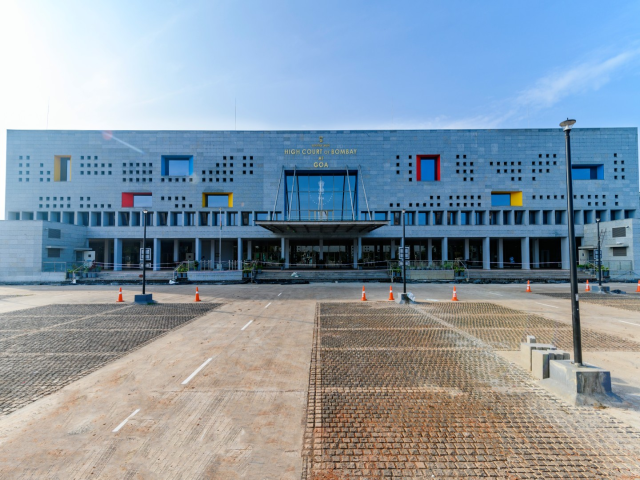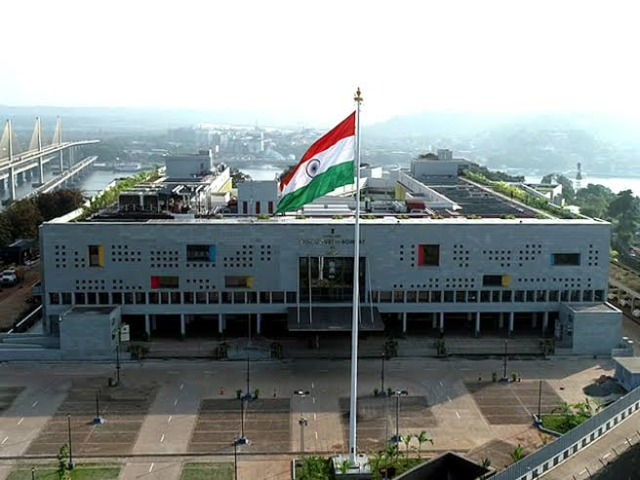
Expressing sharp dissatisfaction over non-compliance with earlier directions, the High Court issued stern warnings to the National Highways Authority of India and the Union of India for failing to file affidavits in a suo motu writ petition monitoring the state's stray dog management. Granting a final opportunity, the Court directed both respondents to file their responses by 19 August.
The Bench, which is overseeing compliance with recent Supreme Court directives, warned that continued non‑appearance could lead to bailable arrest warrants against responsible officials before counsel stepped forward with assurances.
The Court noted that, despite clear instructions from the apex court requiring affidavits by 7 August, neither NHAI nor the Union of India had placed their responses on record. When the matter was called, the Court expressed concern over repeated non‑appearances and observed: "They can't just ignore orders of the court. If notice is issued twice and they are ignoring the order, there is no other way than a bailable warrant."
Counsels for NHAI and the Union of India then appeared, waived notice, and sought time. The Court granted a final extension and directed both the Union Government and NHAI to file compliance affidavits positively by 19 August.
The High Court then turned to the practical implementation of the Animal Birth Control framework and the Supreme Court's mandates, with particular reference to removal of stray dogs from public institutions such as schools, colleges, sports complexes and healthcare facilities. Addressing counsel, the Bench emphasized that heavy capital expenditure on physical shelters alone will not solve the problem without an aggressive, systematic sterilization programme, adding that "spending even a fraction of proposed infrastructure funds on systematic sterilization yields far better results."
To ensure structured progress, the Court instructed Amicus Curiae Advocate Terence Sequeira, state legal representatives, the Goa State Animal Welfare Board, and relevant department heads to hold joint consultations. The hearing was adjourned to 19 August, and the Court requested the Amicus Curiae to submit a concise two‑page actionable draft outlining prioritized directions, target timelines, and monitoring mechanisms for consideration at the next hearing.