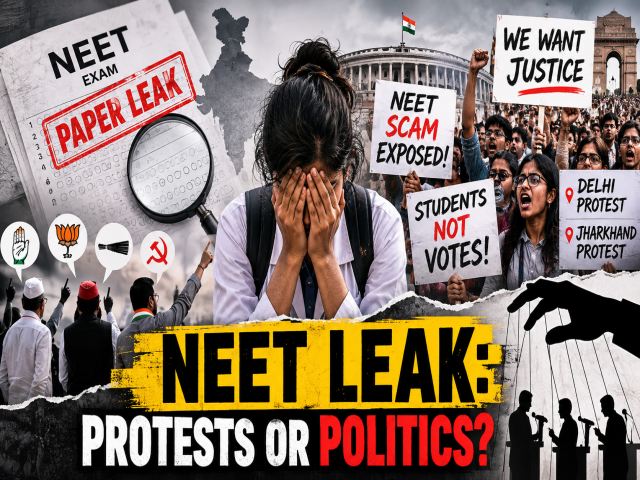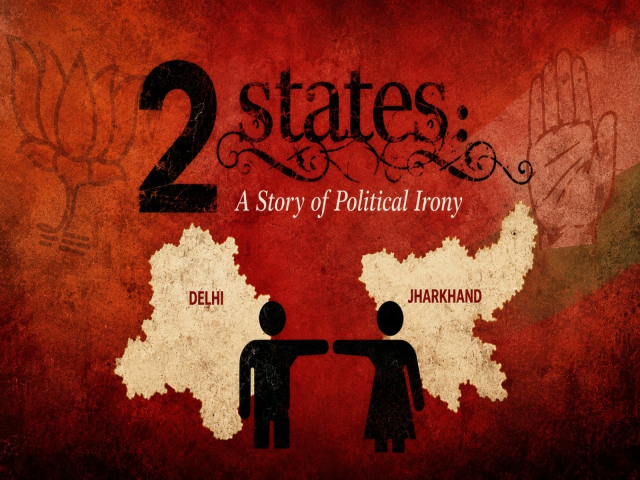
Two student protests, two states, two different political equations — but one common question: Who is accountable when the system fails?
In Delhi, the CJP-led Gen Z agitation over the NEET controversy put the BJP-led Centre under intense pressure. Students demanded accountability from the Union Education Ministry and called for the resignation of Education Minister Dharmendra Pradhan. The sustained agitation eventually led to his resignation.
Now, the political heat has shifted to Jharkhand.
Students and job aspirants in Ranchi are protesting alleged irregularities in JPSC and JSSC examinations. They are demanding transparency, cancellation of disputed examinations and an independent probe.
The political irony is hard to miss.
The BJP, which faced student anger over examination issues in Delhi, is now backing the protesting students in Jharkhand and targeting the JMM-led state government. Congress, a key partner in the ruling alliance, is consequently facing political heat over the recruitment controversy.
But the protests are becoming bigger than BJP versus Congress.
Students are increasingly refusing to wait for political parties to speak for them. They are organising themselves, taking their demands directly to the streets and demanding answers from whoever is in power.
The real story is that India's students are discovering their political voice — and governments of every colour are beginning to realise that they will have to listen.