
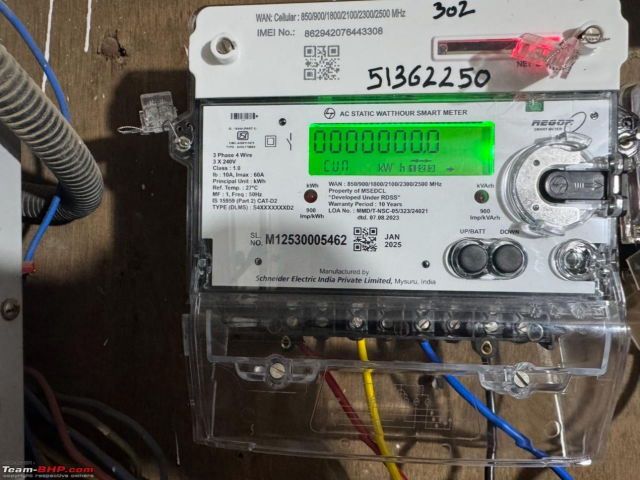
The Electricity Ombudsman for the State of Goa and Union Territories has set aside a previous ruling of the Consumer Grievance Redressal Forum that had barred a residential consumer from seeking a separate metered power connection for EV charging. The Ombudsman has ruled under the Union Ministry of Power’s Guidelines for Electric Vehicle Charging Infrastructure (2024) and the Electricity (Rights of Consumers) Rules, consumers have the recognized right to seek a separate metered connection alongside the alternative of using an existing connection.
The matter arose from an appeal filed by a Santa Cruz resident, who applied in April 2026 for a separate 4 kW electricity connection to charge his electric vehicles. The applicant was already having a 4.34 kW subsidized rooftop solar net-metered domestic connection at his residence.
The Goa Electricity Department had refused to process his request for a second meter, issuing a shortcoming notice advising him instead to seek a load enhancement on his existing connection. When the applicant approached the Goa Consumer Grievance Redressal Forum, his plea was dismissed.
The department argued that releasing a second meter at the same residential premises would lack a dedicated EV tariff category under the Joint Electricity Regulatory Commission tariff orders and could lead to artificial "bifurcation of consumption," allowing consumers to drop into lower tariff slabs and causing revenue loss to the licensee.
The Ombudsman finally ruled that the availability of an existing domestic connection cannot automatically disqualify a consumer from applying for a dedicated EV charging meter.
The Ombudsman emphasized that the lack of a dedicated "EV charging tariff" in the JERC Tariff Order cannot serve as an outright ban on granting a separate meter. The order clarified that consumption can lawfully be billed under the tariff category applicable to the premises as determined by the regulator.

