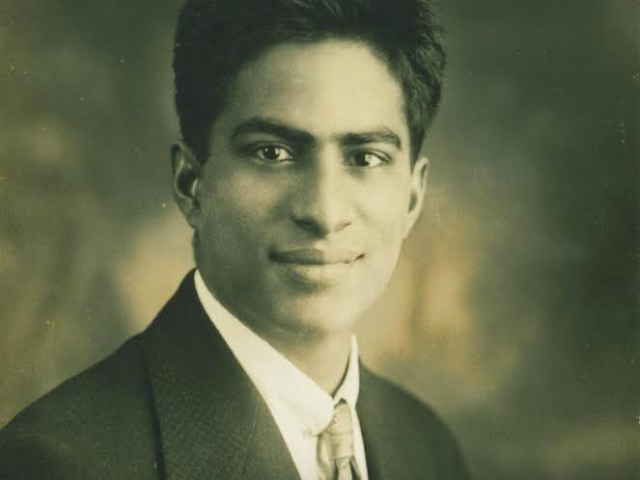
In 1939, D.D. Kosambi wrote a short essay about the role of leaders in mass movements. He used a simple scientific picture to explain his idea. Imagine a liquid that is ready to turn into crystals. If the liquid is not concentrated enough, nothing happens. But once it reaches a certain point, adding one small crystal can make the whole mass crystallise quickly. Kosambi said social change works in a similar way. When conditions are not ready, leaders can do little. When the conditions are right, the right kind of leadership can make change happen fast. Weak or unclear leadership can delay the change or waste the energy of the movement.
This idea helps us understand the big student protests that took place in Delhi over the paper leak.
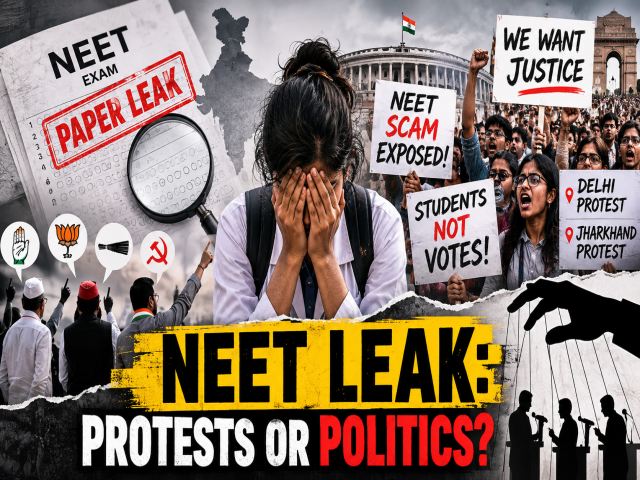
The protests began after the National Eligibility cum Entrance Test, or NEET, was hit by serious allegations of paper leaks. Nearly two million students had appeared for the exam. When the leaks became clear, the exam was cancelled. Many students who had prepared for months were devastated. Some young people died by suicide. Anger spread quickly. Students and youth began gathering at Jantar Mantar in Delhi. They demanded accountability, a fair examination system, and the resignation of the Union Education Minister. The movement was largely led by a new youth group called the Cockroach Janta Party. Over the weeks, the protest grew. Thousands stayed at the site. On one major day, large numbers tried to march towards Parliament. There were clashes with the police, injuries, internet restrictions and heavy security. The protests became one of the strongest youth mobilisations seen in the capital in recent years.
Kosambi’s way of thinking helps explain both the strength and the limits of this movement.
The conditions among students had clearly crossed an important threshold. Competitive exams have become extremely high-pressure. A single paper can decide a young person’s future. When that system is seen as unfair or corrupted by leaks, the sense of injustice runs very deep. Unemployment among educated youth adds to the frustration. The cancellation of NEET after months of preparation created a moment of intense collective anger. Public discontent was real and widespread. In Kosambi’s language, the solution had become supersaturated. The situation was ready for crystallisation.
What mattered next was leadership. The Cockroach Janta Party and other student voices acted like the small crystal in Kosambi’s example. They gave the anger a clear focus, a physical gathering place at Jantar Mantar, and a set of concrete demands. Without some form of organisation and direction, the frustration might have remained scattered across homes, coaching centres and social media. Leadership helped turn private disappointment into public protest.
At the same time, Kosambi also warned about the other side of leadership. Sometimes leaders focus energy. At other times they scatter it or allow it to be redirected. In the Delhi protests, the movement showed real power in bringing thousands of young people onto the streets. Yet it also faced the classic difficulty of many student mobilisations. Keeping a large, diverse group of young people united over a long period is hard. Different voices emerge. Some push for more radical steps. Others look for negotiation. The state responds with a mix of force, restrictions and offers of talks. In this process, the original sharp focus can become diffused.
Kosambi was careful to say that leaders are not all-powerful. If the basic conditions are not ready, even the best leadership will fail. But when the conditions are ready, as they seemed to be after the paper leak, leadership can make a decisive difference. The Delhi protests showed both possibilities. The anger was genuine and deep enough to bring large numbers of students to the capital. The leadership that emerged managed to sustain the protest for weeks and force the issue onto the national stage. At the same time, the movement also showed how difficult it is to turn a moment of intense anger into lasting structural change in the examination system.
The essay carries one more important warning. Once a movement wins some of its demands, both the people and the leaders must remain alert. New problems will appear. The energy that was focused on one issue can fade if ordinary participants step back. Lasting change needs continuous involvement, not just a few days or weeks of protest. In the case of the paper leak movement, even if some demands are accepted, the deeper questions remain. How can competitive examinations be made genuinely fair? How can the immense pressure on students be reduced? How can the system regain the trust of millions of young people? These questions will not disappear with one resignation or one set of reforms.
Kosambi’s 1939 essay does not give simple answers. It tells us that leadership matters most when the ground is already prepared. It shows that the right intervention at the right time can turn widespread discontent into a powerful public force. It also reminds us that movements can lose direction if the energy is not carefully focused and sustained.
The Delhi paper leak protests were a clear example of a moment when conditions were ripe. Student anger had reached a boiling point. Leadership appeared and gave that anger a visible form. The result was one of the most significant youth mobilisations in the capital in recent times. Whether this moment leads to lasting improvement in the examination system will depend on what happens after the protests quieten. The crystal was added. The liquid was ready. The longer test is whether the change that began on the streets of Delhi can take solid and lasting shape.
By
Dr. Mohit Sukthankar, Assistant Professor Political Science, Dhempe College of Arts and Science (Autonomous)Miramar.