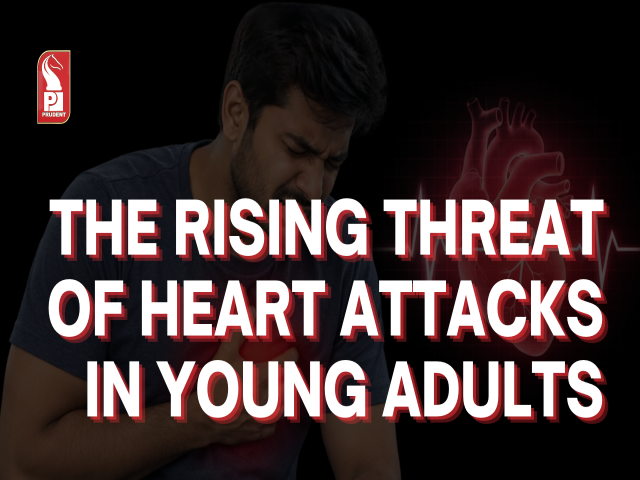
Heart disease was long considered a health condition that primarily affected older demographics. However, recent medical findings from Goa Medical College (GMC) challenge this long-held perception.
A study conducted by the department of cardiology revealed that 22% of patients admitted with major heart attacks requiring emergency intervention were under 50 years old, while another 56% were aged between 51 and 70. Cardiologists emphasize that modern lifestyle factors are accelerating cardiac risks among younger individuals.
High-stress workplace environments, frequent consumption of processed foods, physical inactivity, smoking and unmanaged hypertension or diabetes create a dangerous foundation for early cardiovascular events. Many young adults remain unaware of their vulnerability simply because they have never undergone routine blood pressure or sugar screenings. Fortunately, most cardiovascular conditions are preventable.
As medical experts highlight, many heart-related deaths stem from modifiable risk factors. Adopting sustainable lifestyle modifications such as regular physical exercise, balanced nutrition, quitting smoking and practicing stress-reduction techniques like yoga can dramatically improve long-term cardiovascular health.
Prioritizing routine medical check-ups remains the single most effective step toward preventing life-threatening cardiac events early in life.