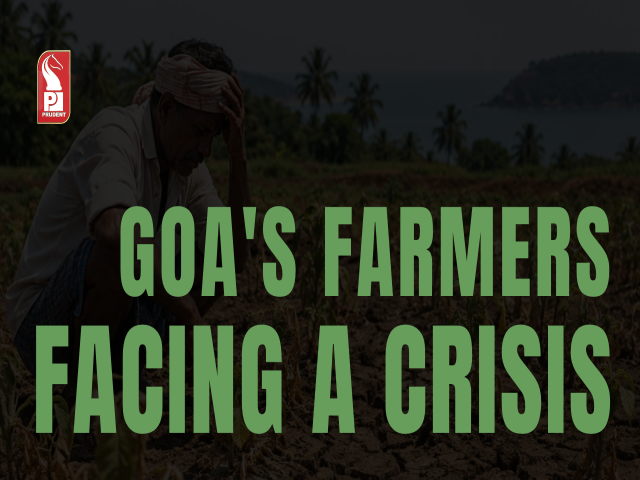
A prolonged dry spell and an erratic late-monsoon phase have pushed Goa’s agricultural sector into a severe crisis, prompting the state government to order an urgent ground-level crop loss assessment.
Data from the India Meteorological Department (IMD) reveals that Goa received just 2,055.4 mm of rainfall between June 1 and September 26, against the normal seasonal average of 2,992.4 mm representing a stark deficit. The break in rainfall, spanning over 20 days in September, coupled with unseasonably high temperatures, has caused widespread moisture stress across farmland. Paddy farmers are among the hardest hit.
As crops reach maturity, they require cooler temperatures and adequate soil moisture. Instead, heat stress is giving rise to a condition where grain hulls fail to fill properly, leaving yield severely compromised. Beyond paddy, marigold plantations and newly planted cashew orchards are showing signs of root drying.
Meanwhile, key rivers including the Mhadei, Ragada, and Valvanti are experiencing dropping water levels. Farmers estimate crop production losses between 35% and 40% this season. The government's assessment aims to evaluate the precise damage and outline financial and irrigation assistance for affected cultivators.