
In the 2025 Agassaim murder case, the North Goa Sessions Court has ruled that a drunken scuffle that led to the drowning of a labourer in a roadside well did not constitute intentional murder. Instead, the court directed that charges be framed against the accused, Anish Kumar, for culpable homicide not amounting to murder.
According to Agassaim police, the deceased, the accused, and several witnesses were manual labourers living in rented accommodation in Agassaim in December 2025. A complaint filed by the victim's brother stated that the victim failed to return home after work on December 22, 2025. After he remained untraceable and failed to report for work over the next two days, inquiries revealed that he had last been seen late that night fighting with Anish Kumar while both were allegedly under the influence of alcohol.
On December 26, 2025, the victim's body was recovered from a nearby well. A post-mortem examination confirmed drowning as the cause of death.
The prosecution argued that the accused should face murder charges, citing witness statements indicating that the two men had been seen together shortly before the incident, Kumar's alleged extra-judicial confession, and CCTV footage capturing the incident.
However, Kumar's defence counsel argued in written submissions that the prosecution's evidence was insufficient to sustain a murder charge and sought his discharge.
After examining the case diary and the CCTV footage included in the charge sheet, the court observed that the footage showed Kumar, dressed in a white T-shirt, assaulting the victim before both men rolled off the road and disappeared from view. A witness later spotted Kumar completely drenched on the night of the incident.
The court noted that no weapons appeared to have been used during the altercation. It observed that the available evidence indicated that the two men had tumbled into the roadside well during an alcohol-fuelled scuffle.
Finding no evidence of premeditation or an intention to commit murder, the court concluded that the incident occurred in the heat of the moment. However, it found sufficient grounds to proceed with a trial for culpable homicide not amounting to murder, on the basis that the accused's actions may have been carried out with the knowledge that they were likely to cause injury or death.
Court Rules Labourer's Death in Drunken Scuffle Was Not Murder, Orders Trial for Culpable Homicide
Court directed that charges be framed against the accused, Anish Kumar, for culpable homicide not amounting to murder.

Latest in LEGAL
 NEW
LEGAL
High Court Grants Bail to Mohammed Suhail in ED Money Laundering Case Citing Prolonged Incarceration
The High Court has granted bail to Mohammed Suhail in connection with a money laundering case probed by the Goa ED
LEGAL
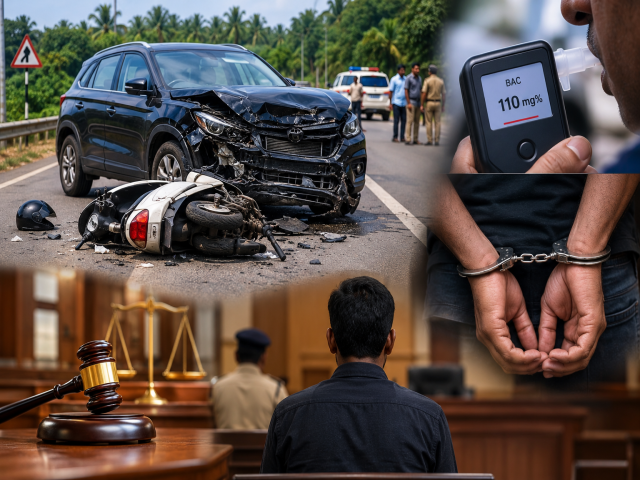
Court Denies Bail to Driver in Fatal Colvale Hit-and-Run; Slams "Seat-Swapping" and Drunk Driving
Court Cites Alleged Drunk Driving, Seat-Swapping Claims and Risk of Absconding in Case Involving Death of 36-Year-Old Woman